
 An Azure Kingfisher surveys lunch options.
 As the map indicates, this was our first venture into the 'tropics.' It's north of the Tropic of Capricorn. In the Bininj/Mungguy people's land of Kakadu, six different seasons are recognized --not simply the Dry and the Wet. Their knowledge of the natural world is fundamental to their culture, and they have deep awareness of the signs transitioning one seasure during the other. During Gudjewg (in the Gun-djeihmi language), monsoonal rains downpour for months and communities are isolated by the rising waters. We planned to visit during the hot dry Gurrung, when the birds would be crowding the shrinking billabongs (watering holes), prior to the Gunumeleng pre-monsoon storm season when the humidity rises, the clouds move in, and the electrical storms start in earnest. According to the Rangers, however, the start of the buildup was early - by 6 weeks! So we had heat (95 F) and humidity (85-99%). We dripped just standing still, making the pools we found to cool off in extra desireable. Also, it had been a wetter year, so the birds were not as concentrated as usual, but there were still amazing concentrations of some of the birds.
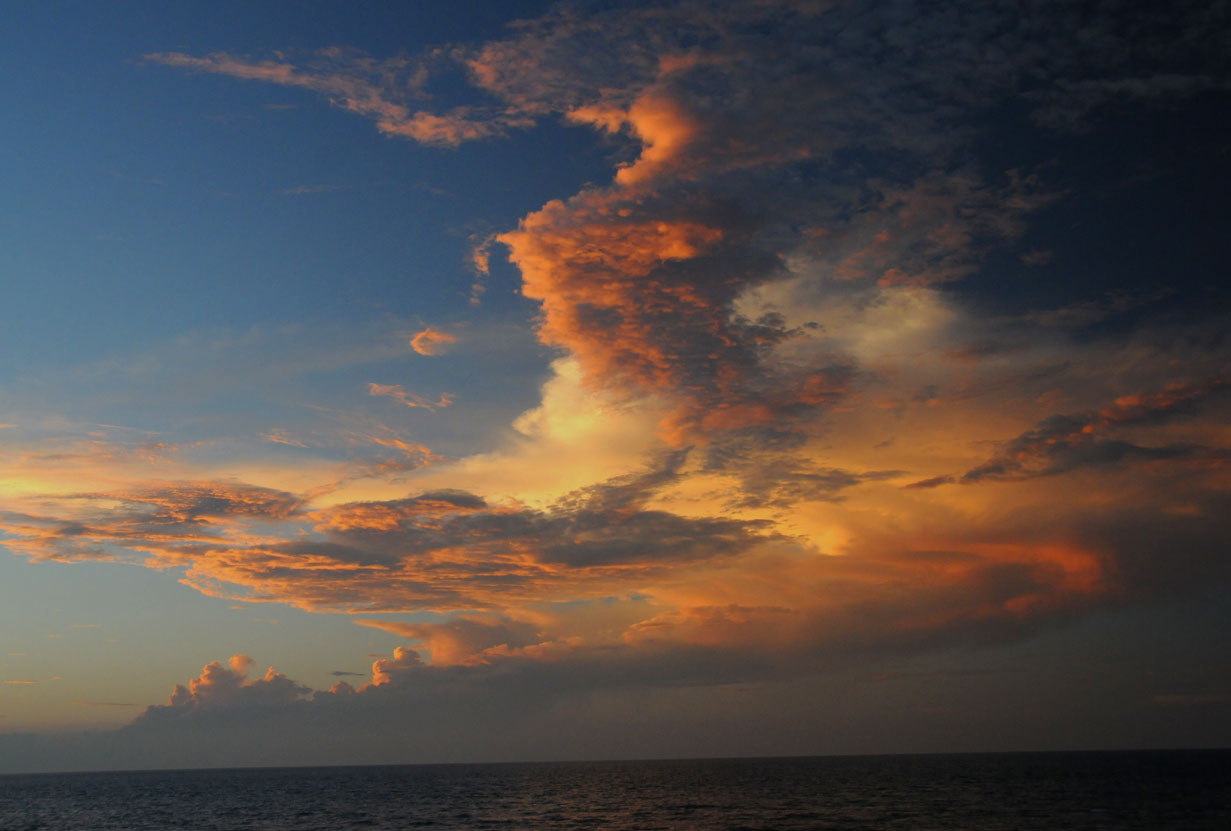 But first, Darwin. Even though it was late in the day when we arrived, we were off to a good start. We hired (rented) pushbikes (bicycles) so we could ride out to the East Point Reserve, where could view the sunset from the northern side of the continent--the Timor Sea. Here, we're closer to Indonesia than to Brisbane. We found interesting WWII remnants here. Darwin was an important base for activities against the Japanese in the Pacific. We read that Darwin was attacked many times during the War, and the memorials documented the tens of thousands of Ozzie POWs. Later on in our trip, we saw many old WWII airstrips along the highway out of town.
 But before sunset, I was pleased to find the Orange-footed scrub fowl scrounging about in the leaf litter, especially since they are one of the cover birds on the "Top End" bird book I purchased. They are one of three specialized mound building birds in Australia that lay eggs in mounds of vegetation that they gather. The birds carefully monitor the mound to maintain temperature, humidity and aeration for incubation.
And a sociable Australasian Figbird. This boldly colored male looks entirely dis-similar from the female, I almost thought they were different species. These birds are in the same family as the orioles, but the figbirds are gregarious as opposed tho the more solitary Yellow and Olive-backed orioles.
 We found 'accommodation' (a motel) near the Darwin Botanical Garden, so we could search for rufous owls early in the morning. Regrettably, the groundsmen said the usually-regular resident owls did not make an appearance at all this season. :o(. But these adorable double-barred finches were flocking nearby.
and there were Rainbow bee-eaters
 zitting about. How good is that?!
 These are some beautiful (unidentified by me) flowers Dirk photographed in the Botanical Gardens.
 Some type of wild-looking orchid.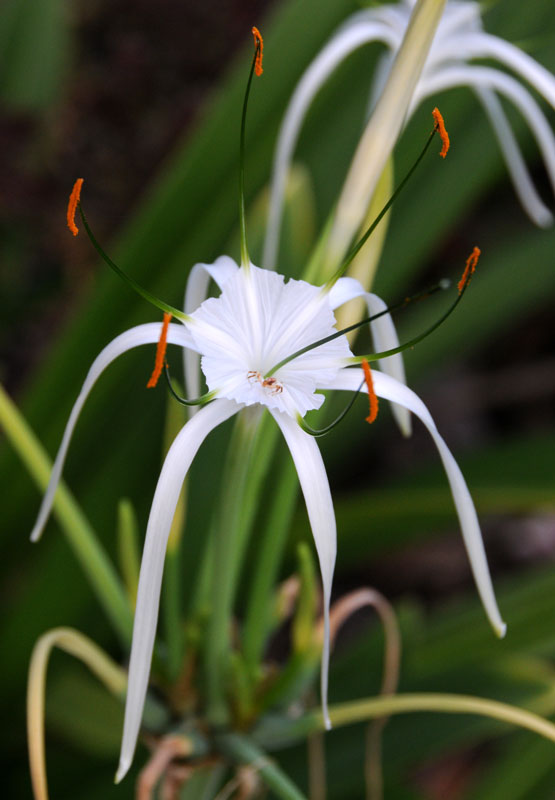
 Then we headed from Darwin to Kakadu National Park, one of the few World Heritage sites listed for both its cultural and natural values.
We had a full agenda, ready to experience the culture, critters, and scenery of Kakadu.
A map of Kakadu.
 And a Red-Tailed Black-Cockatoo!
 The indigenous people of this area have been integral to the planning and care of the park and surrounding areas, and the park is jointly managed by its traditional Aboriginal stewards and the Director of National Parks.
The marvelous museum at the Bowali Visitor Center in the settlement of Jabiru had this clever display to emphasize the need for us all to 'Look after this Country' (it's a mirror, and that's us reflected in the mirror behind the writing).
 This was an exhibit at the little museum--the night creatures of Kakadu, including a Bush Stone-Curlew. They had recordings of the sounds the animals made at night, and we were lucky enough to hear the curlews one night. They put on quite a performance for such an unassuming-looking bird who tries to blend into its surrounds in the daytime (we saw a pair with a tiny fluffball baby)! Pizzey describes their voice as "a far-carrying, eerie whistling call (or chorus) that starts low and quietly--a drawn-out 'wee-eeer', repeated up to 5 times; rises, becomes a high-pitched, drawn-out 'keeleeoo', quickens, breaks, descends, often ends in a chorus of 'wee-wiff; wee-wiff; wee-wiff', by several birds. Other groups respond. Screeches in flight."
 I'd call this a lotus flower, it may be the Red lily (Nelumbo nucifera), called Wurrmarninj in Gun-djeihmi language. These flowers grow in the waters of the floodplains and billabongs. The floodplains in Kakadu undergo extraordinary seasonal variation. The wet season inundates the lands to form a wide-reaching shallow sea. Over the dry season, the floodplains dry and crocodiles and waterbirds congregate in the shrinking wetlands for refuge.
Remember - this is serious croc country.......
 This little splash of deep blue with white is a Forest Kingfisher.
We went to Ubirr to gawk at the fascinating Aboriginal rock art sites.

 A Thylacine--the Tasmanian tiger used to roam these parts!
We climbed the rocky lookout with the stunning sunset over the Nadab floodplain. The water glowed with the colors of the sky.
 We camped at the Merl campground so that we could get up early for meandering along the Bardedjilidji walk through the sandstone escarpment along the Alligator River in search of the chestnut-quilled rock pigeon, endemic to the region.


.jpg)


